DUDA SERVICES · MILAN
Office removals in Milan
Workstations, furniture and files: we plan your move around your business priorities.
Request a quote →- Room-by-room planning
- Furniture and records
- Coordination with your nominated contact
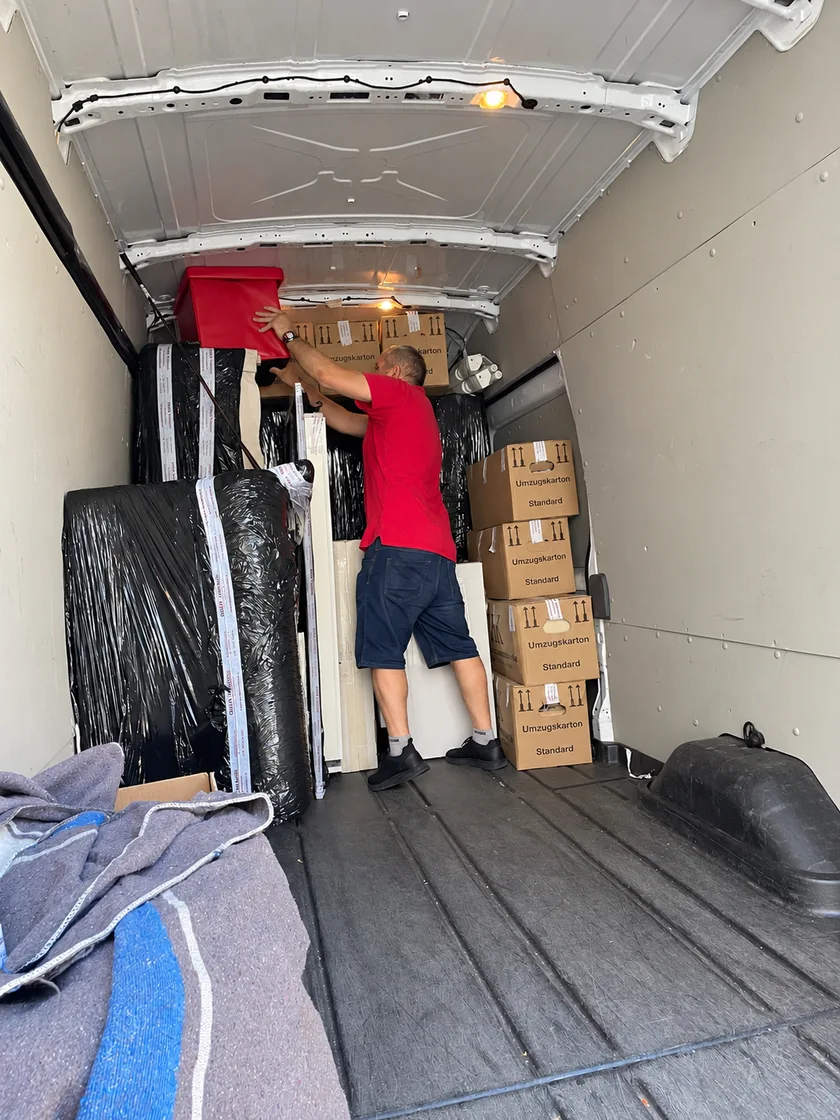
An office move in Milan involves furniture, workstations, records and people who need to resume work at the new premises. DUDA Traslochi organises the agreed preparation, dismantling, loading, transport and reassembly around access and your business priorities. Planning starts with what must move and in what order it should arrive. Defining departments, rooms and responsibilities helps coordinate the physical move with tasks handled by your team or other professionals.
Defining the scope of your office move
An office may include desks, chairs, cupboards, shelving, meeting rooms, archives and service areas. First, identify what is moving and what will stay. Tell us how many workstations are involved and which rooms contain specialist items. Include internal stores, reception areas and furniture in shared areas if they form part of the job. Counting desks alone may not reflect the work required.
Appoint a contact who understands your organisation and can gather instructions from the different departments. This helps prevent conflicting information or overlapping requests. They can share the inventory, identify priorities and confirm where items belong in the new office. Decide what to keep, replace or handle separately before loading so the team works from current, clear instructions.
Planning the stages and business continuity
Preparation needs to fit your business operations. Some items can be packed early, while others will be used until the last day. Identifying these groups helps establish the moving sequence. If you want to split the work into stages, discuss this when requesting a quote so we can assess timing, quantities and access. A phased move by department can be useful, provided it matches the service agreed.
Tell us about deadlines, closure periods and preferred time slots; these are subject to confirmation. The plan must match the resources required and conditions at both premises. A general promise of no disruption would be unrealistic: the physical move must be coordinated with networks, utilities, access and other organisational tasks. Clear planning helps establish a schedule consistent with your business priorities.
Site visit, lifts and access routes
Office buildings may have goods lifts, service entrances, access procedures and loading areas that differ from public routes. We need to know which routes may be used and under what conditions. Share the building manager’s instructions, relevant contacts and details of other work taking place. The distance between parking and the rooms also affects handling and the time needed.
We need the same information for the destination. Even spacious offices can have doors or lifts that restrict certain furniture. Meeting tables, tall cupboards and shelving require dimension and dismantling checks. If a furniture lift is considered, its use depends on outdoor space and suitable openings. The floor number alone does not determine the access method.
Labelling workstations and destination rooms
Simple labels can make delivery clearer. Give each workstation a code and identify the destination room or area. Use the same code on related boxes rather than relying only on an employee’s name. A plan of the new office, shared with your nominated contact, helps the team distribute belongings according to the agreed layout.
Labels should contain only the information needed for handling. For confidential records or internal materials, use identifiers that do not unnecessarily reveal the contents. Decide in advance which items must remain under the company’s control. Moving documents does not require disclosing their details: the team needs to know which packages to move, where they belong and which handling instructions apply.
Records, files and documents
Records may look compact but produce many heavy boxes. Estimate the number of files and choose a packing system before the move. Keeping shelf order recognisable helps restore it at the new office. Avoid overloading boxes or allowing them to lose their shape. Suitable containers and sensible weight distribution make handling and later organisation easier.
Your company should identify documents needed during the move and keep them accessible. Sorting, disposing of or reorganising records should be handled separately from transport. If you request packing assistance, specify what is included and what will already be prepared. The agreement can then describe the work without assigning the removals team decisions about internal records management.
Furniture and equipment: separate tasks
Desks, tables, cupboards and bookcases are assessed for construction, size and access. Reassembly must follow the agreed layout and the furniture’s limitations. Tell us during the survey about bespoke furniture or integrated components. Alterations, adaptations and work outside the agreed scope must be discussed separately. A final layout avoids assembling a workstation where it will soon need moving again.
Computers, monitors and other equipment need specific preparation instructions. Unless expressly agreed otherwise for relevant tasks, the customer must coordinate disconnection, backups, network configuration and system reactivation with their own technicians. Transporting devices is not the same as managing the office’s IT. Clear responsibilities establish when equipment will be ready and when technicians can work at the new premises.
Delivery and getting the workspace ready
Keep the areas needed for unloading and assembly available at the destination. Boxes can be distributed by code and room without immediately blocking every route. Your company contact should be available to confirm locations and resolve questions. If other suppliers are working in the building, coordinate shared spaces beforehand. A clear sequence helps everyone understand their role and the remaining work.
At completion, review the agreed tasks, delivered furniture and anything requiring clarification. Unpacking and arranging supplies must be expressly agreed, as must any removal of empty packing materials. Your own contacts can then complete workstation reactivation. The physical move and full operational readiness are linked stages that need shared information and clearly defined responsibilities.
A short checklist shared with your nominated contact can distinguish completed rooms from those still to be checked. Record any misplaced items or outstanding tasks straight away rather than relying on memory during a busy day.
Requesting an office removals quote
For an assessment, provide addresses, floors, access, an approximate workstation count and the quantity of furniture. Include records, ancillary rooms and equipment, and identify who will prepare them. The cost depends on the work, volume, building conditions and agreed organisation. Photographs and plans can help the initial discussion; an on-site survey examines anything requiring a closer check.
DUDA Traslochi plans office moves in Milan with clear agreements and a practical sequence of work. Tell us your preferred period, business priorities and what needs to be ready on arrival. We can then prepare a proposal for the agreed dismantling, handling, transport and reassembly. Good preparation gives belongings a clear destination and everyone involved an understandable plan for restarting work.
LET'S DISCUSS YOUR MOVE
Let's prepare your quote.
Describe the belongings, access and preferred dates. We will assess the work needed for your service.