02 / 05 · TRUST
Your memories in our hands.
You entrust us with more than furniture: part of your life, from family photographs and a first-home sideboard to annotated books and small keepsakes. Their worth cannot be measured by an invoice alone. At DUDA Traslochi, recognising this means listening and turning what you tell us into practical preparation. Trust leaves room for questions, concerns and agreements about the belongings you treasure.
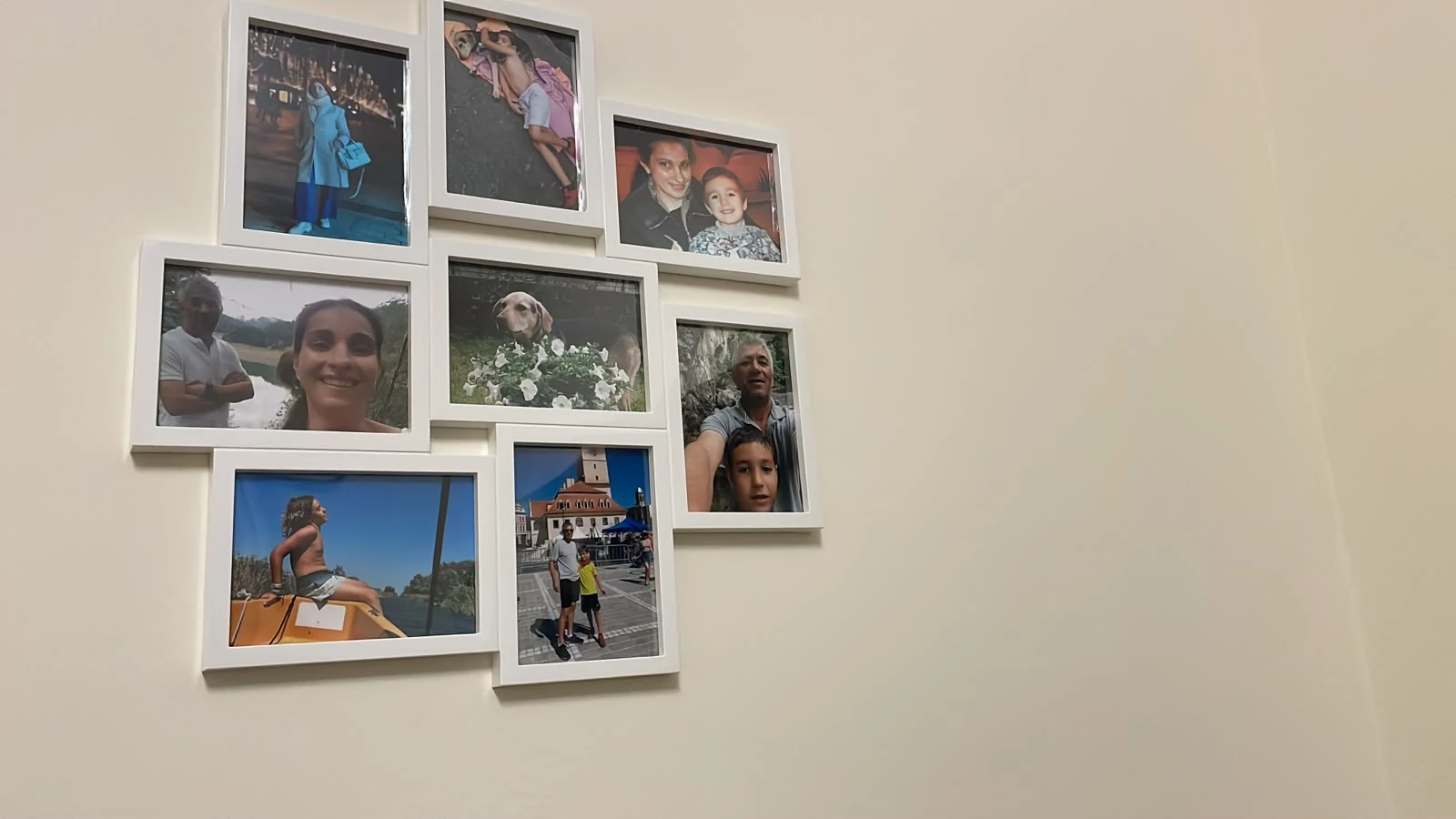
Every item can tell a story
In a familiar room, you notice details another person may overlook. A simple frame may hold the only photograph of a relative; a small table may have been carefully restored; a box may hold years of memories. Tell us which items need particular attention and about known weaknesses or parts that come loose easily.
This helps distinguish different needs. Strong sentimental value does not necessarily mean physical fragility, while apparently robust furniture may have a delicate structure. Sharing both aspects helps us plan preparation and handling. There is no need to share private stories: explain what the team needs to know to handle each item thoughtfully and as agreed.
Trust grows through clear agreements
Entrusting your home to a company requires clarity. Know which belongings will move, who will prepare them and which tasks are included. If you pack some items yourself, identify delicate contents and explain how the boxes are arranged. If we pack, agree the service's scope. Clear responsibility starts with information both parties understand.
Share your expectations too. You may want a collection kept together, certain packages delivered first or particular items left unopened. Discuss these preferences in advance and check what is compatible with the work. A precise agreement is more useful than a general promise: it gives the team practical instructions and lets you know what to expect.
Photographs, frames and small keepsakes
Family photographs may be on shelves, walls and in drawers. Gather them systematically before moving and distinguish albums from glass frames. Surfaces, corners and protruding decoration may need different treatment. Tell us about loose fittings on frames. Taking time with preparation helps preserve order and avoids leaving separate pieces behind.
Group small keepsakes clearly rather than spreading them among boxes for different rooms. No personal details need appear outside: a code, room name and basic description may suffice. Keep a separate contents list if helpful. The aim is a clear link between what leaves your old home and what you want to find in the new one.
Books and collections: preserving their order too
A bookcase may be organised by author, subject or personal significance. Its familiar order may not be obvious to the person dismantling it. Photograph shelves before emptying them to help recreate the arrangement. Consider box size and weight too: a few large containers can be harder to carry and may strain the cardboard.
Collections need individual assessment, particularly delicate items, original packaging or pieces of different shapes. Mention them at the survey rather than on loading day, so we can discuss preparation and special requirements. Preserving order helps you return not only to your belongings, but also to a familiar habit, interest or daily routine.
Family furniture and signs of age
Older furniture may have worn surfaces, previous repairs or components that are difficult to replace. Check these before moving. Drawers that open during handling, unstable legs or unusual shelf fixings can affect preparation. Share what you know, even if it seems minor: the person using the furniture often knows its delicate points best.
Where dismantling is needed, consider the furniture's construction and whether it can be separated without harming joints or coverings. Not every item suits the same work. Assess unusual conditions before making commitments. Respecting family furniture includes explaining the limits of an intervention and agreeing an approach suited to the item.
Items to keep with you personally
Keep some things immediately available during the move: documents, keys, everyday medicines, communication devices and essential personal items. Decide what will travel with you and separate it from the load. An identifiable bag outside the working area helps prevent daily necessities from being packed for transport or temporary storage.
Mention valuables or particularly valuable belongings before agreeing the service so the applicable arrangements and terms can be checked. Do not assume every item is handled in the same way. Clarify insurance cover for the agreed work too. Asking these questions builds trust by making commitments and relevant information clear to everyone.
Finding your belongings in your new home
Trust continues at delivery. Finding a box in the right room, recognising prepared groups and identifying important contents makes arrival more orderly. Labels should make sense to someone unfamiliar with your old home. “Main bedroom” or “study” is more useful than a reference only one family member understands.
Where possible, point out rooms and priorities before unloading gets fully underway. You can then open keepsake boxes calmly without searching among everyday items. Raise questions with the contact while details are still easy to reconstruct. Straightforward communication throughout the job helps avoid unresolved doubts.
A short list of meaningful belongings can remain useful after delivery. Note which box holds albums, where furniture spares are grouped and which packages need careful opening. This simple personal record helps you reconnect with your belongings while rooms and routines are still taking shape.
A relationship built on respect
Since 2012, DUDA Traslochi has met people entrusting the team with homes, belongings and important moments. Every home needs attention, including an understanding of what it contains. Our approach to trust is to consider your instructions, organise agreed tasks and communicate clearly. It calls for relevant questions and attention to the answers, rather than complicated language.
When planning a move in Milan, tell us which items need special preparation and which routines you want to resume on arrival. Together we can identify priorities, decide what you will prepare and assess the help needed. Your memories in our hands means recognising the story behind every piece of furniture and box, and helping it continue with respect and care.
Explore the service: furniture storage for moves in Milan →
THE NEXT STEP, TOGETHER
Tell us about your move.
Provide departure, destination and preferred dates. We will discuss the work you need together.